
MRA Validation Playbook
Independent Validation of AML Transaction Monitoring, Data, Scenarios, Models, and Remediation
A practical framework for independently validating transaction-monitoring systems in an OCC remediation environment. The approach traces data from source systems through monitoring engines and alert disposition, tests scenario logic and model performance, validates remediation effectiveness, and produces defensible evidence supporting sustainable closure.
DATA → LOGIC → OUTCOMES → CLOSURE
The End-to-End Validation Framework
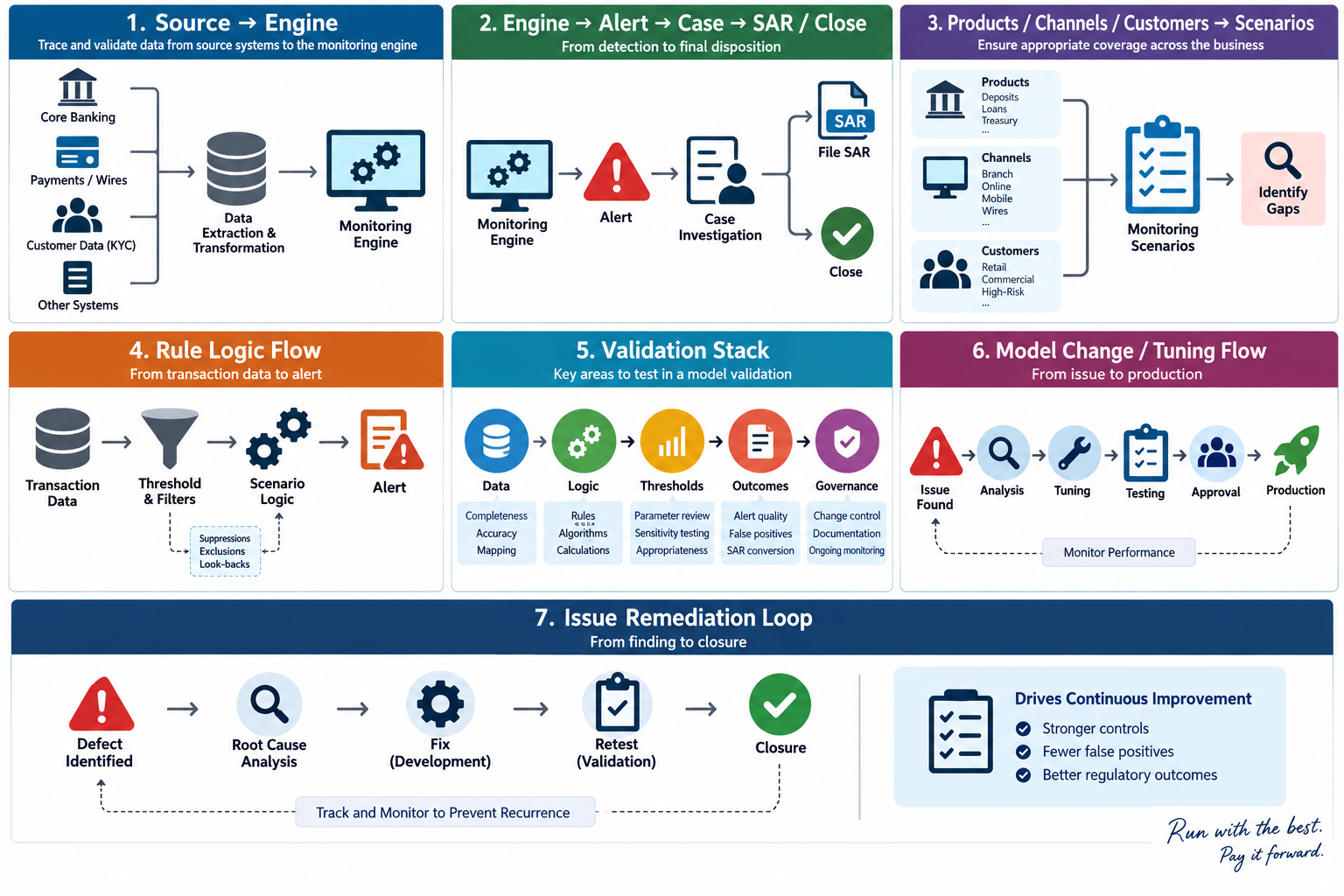
Validation begins with the population entering the monitoring environment and ends only when identified weaknesses have been remediated, independently retested, and shown to operate sustainably.
Is the population complete?
Are critical fields accurate?
Are mappings and transformations correct?
Did the engine actually receive the intended data?
Data Integrity — Source to Engine
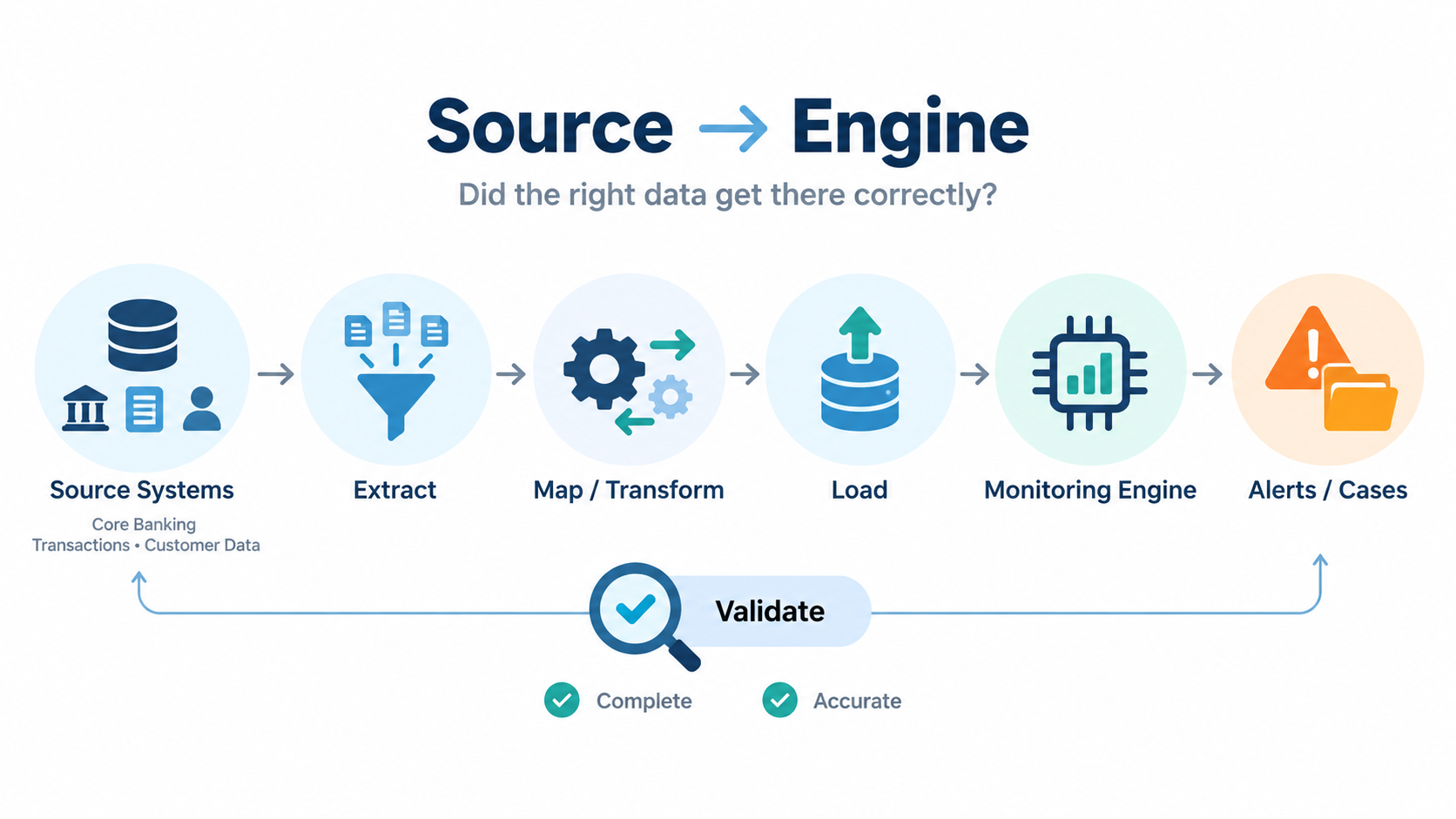
A model cannot compensate for missing or incorrectly mapped data. I therefore establish source-to-engine completeness and accuracy before relying on model-performance results.
Business Coverage
Deposits
Wires
ACH
Cash
Cards
Digital activity
Customer Coverage
Retail
Commercial
High-Risk
Correspondents
Coverage — Are We Monitoring the Right Risks?
Risk Coverage
Structuring
Rapid Movement
High-Risk Geography
Unusual Wires
Funnel Activity
Layering
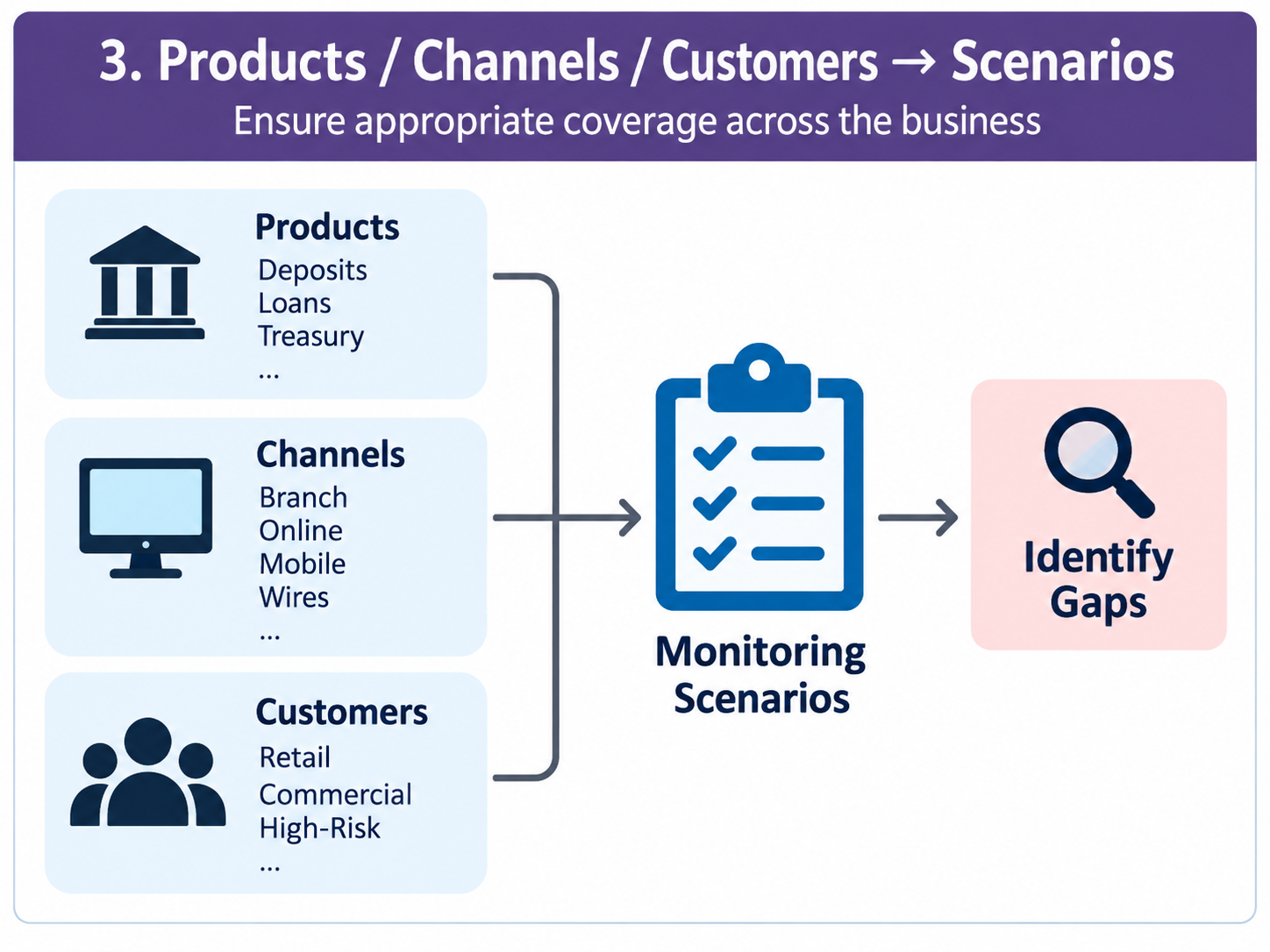
I trace the bank's products, customers, channels, and inherent risks to the monitoring scenarios intended to detect them.
Configuration: thresholds, look-backs, segmentation
Logic: aggregation, filters, exclusions, suppressions
Output: correct transactions identified and alerts generated
Scenario Logic — Does the Rule Work as Intended?
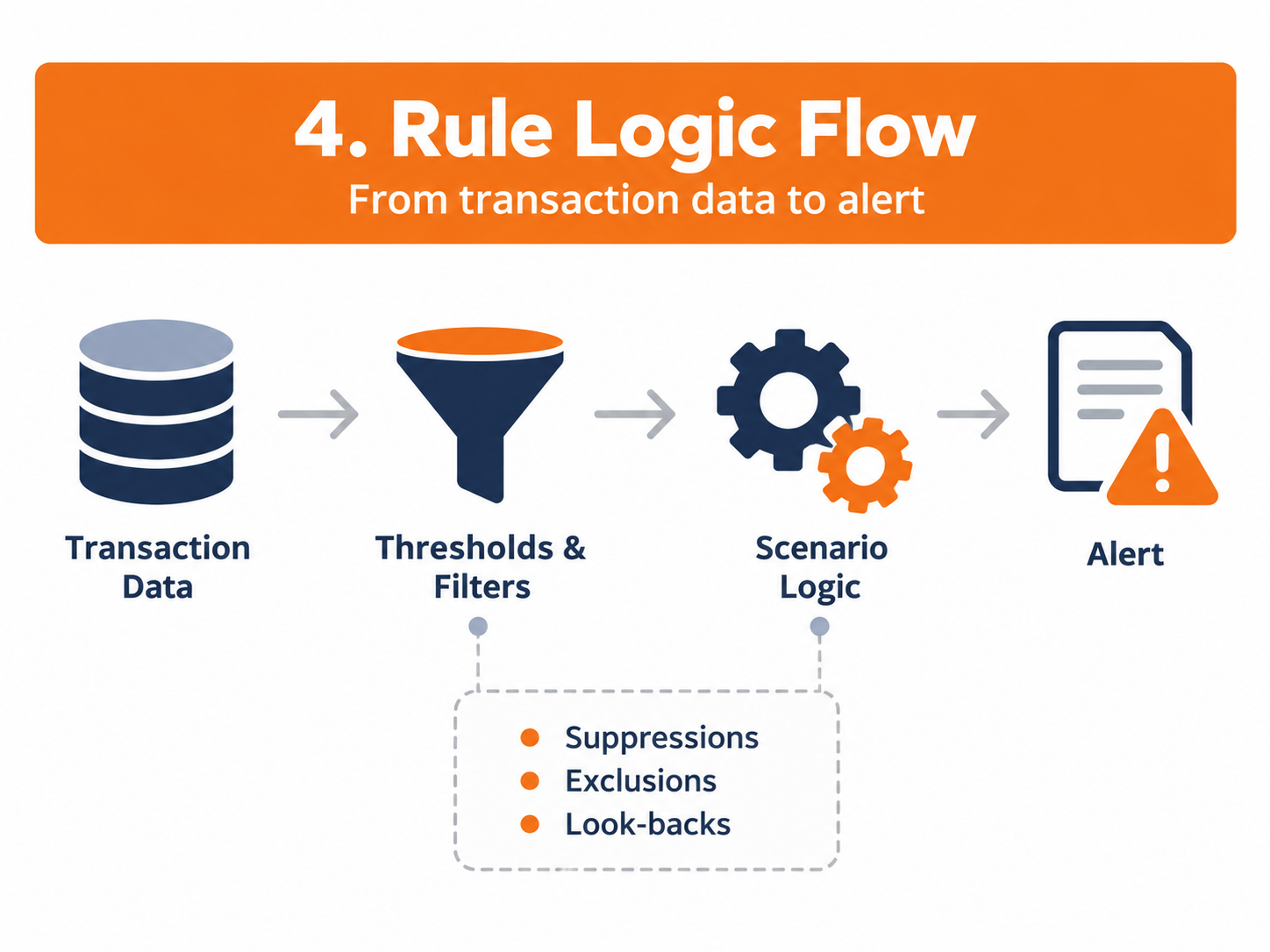
Design validation: Is the intended rule appropriate?
Implementation validation: Was that rule actually coded and configured correctly?
What Changes by Engine Type?
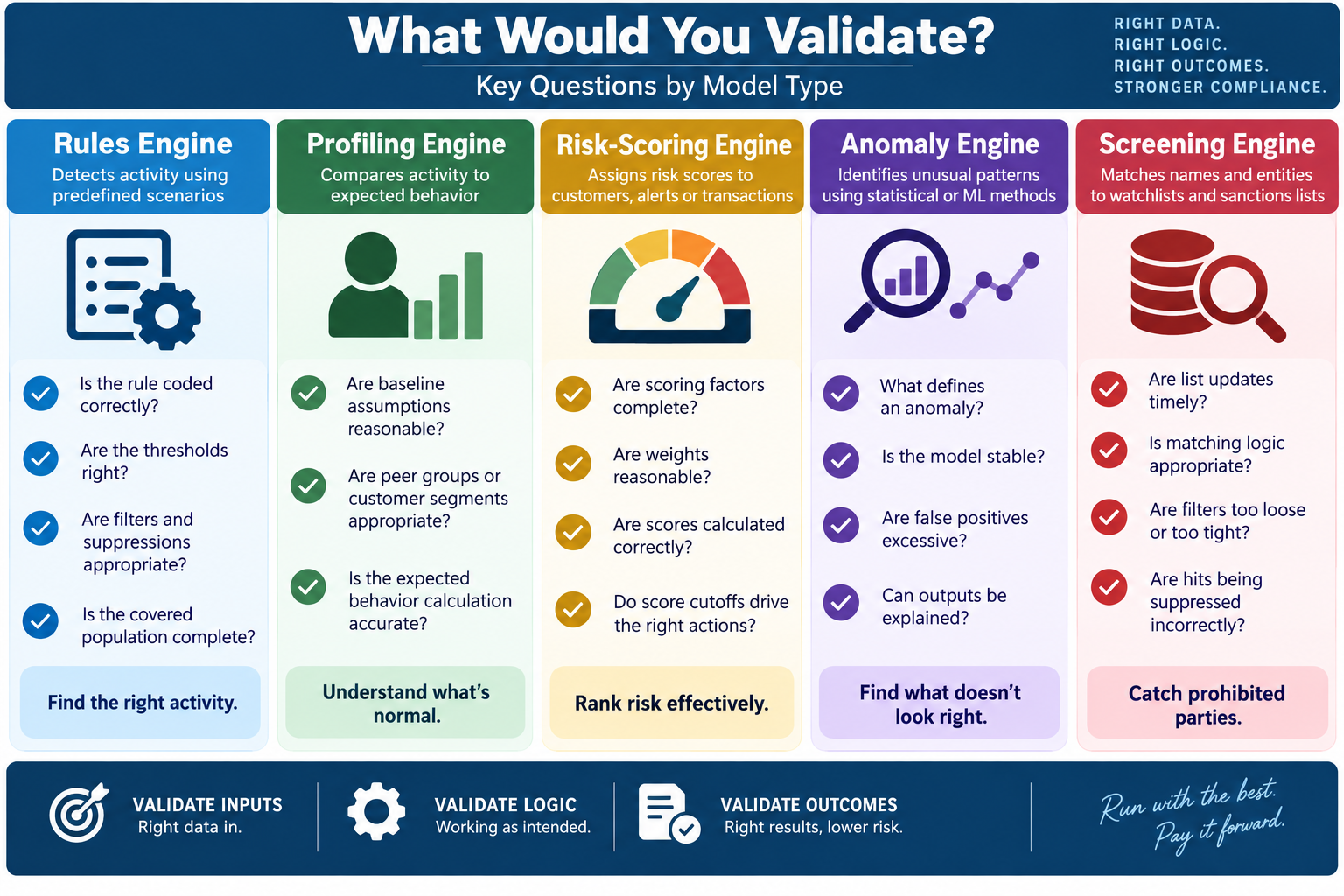
There is no universal model-validation test script. The validation method must reflect the type of analytics being used, how the engine produces its result, and the decision that result drives.
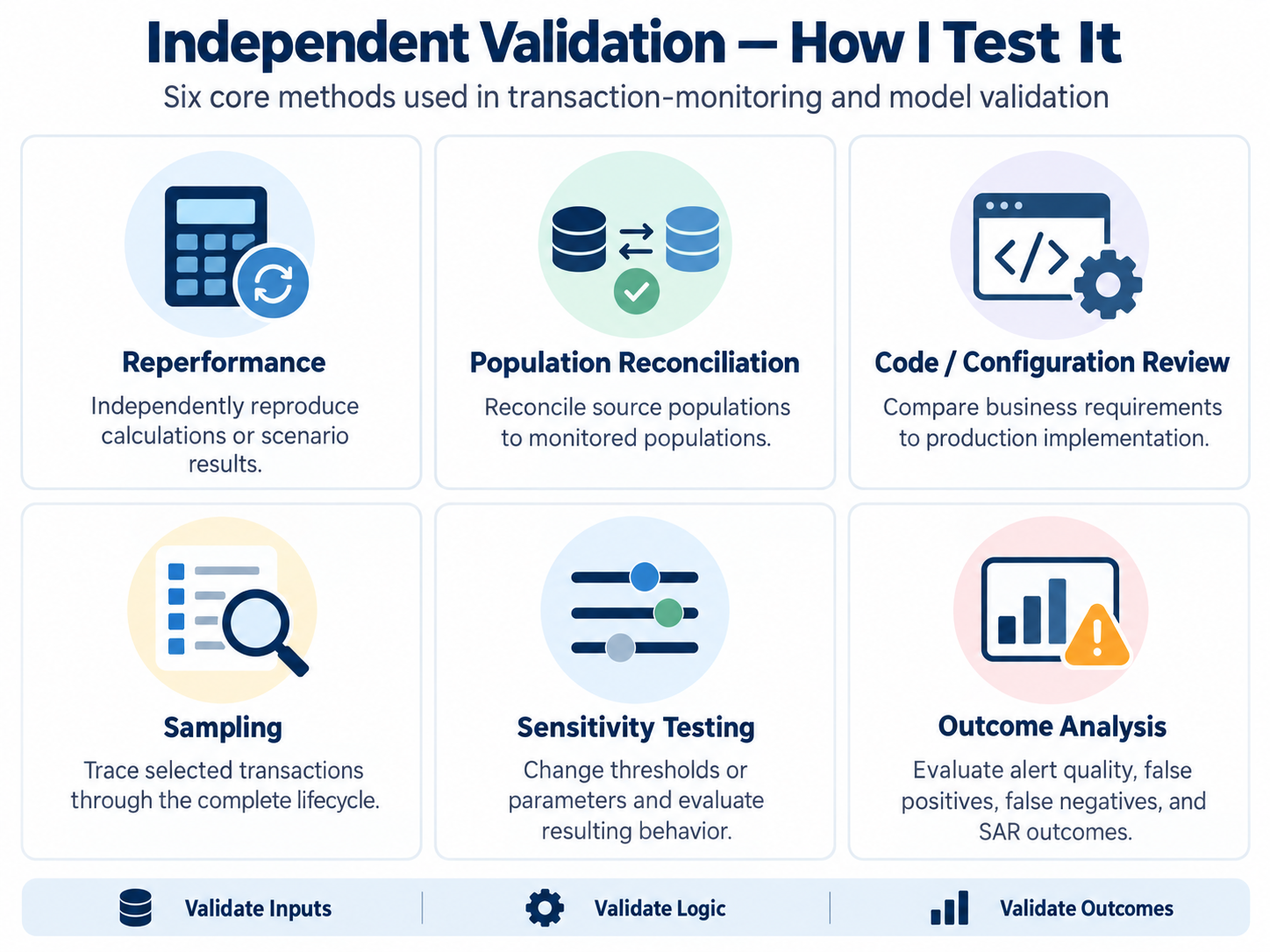
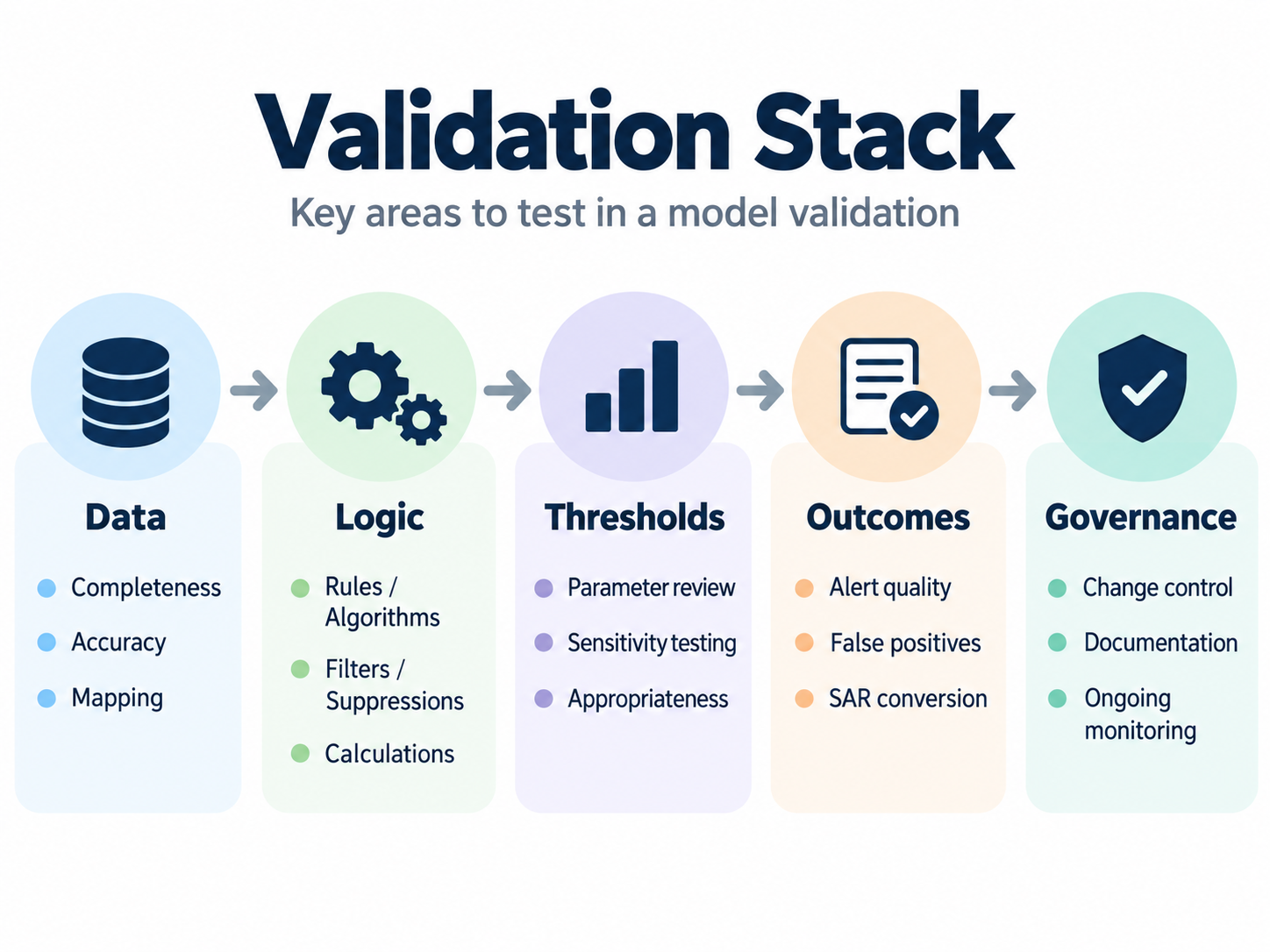
I move systematically from the integrity of the inputs through model behavior, results, and the governance needed to keep the model reliable.
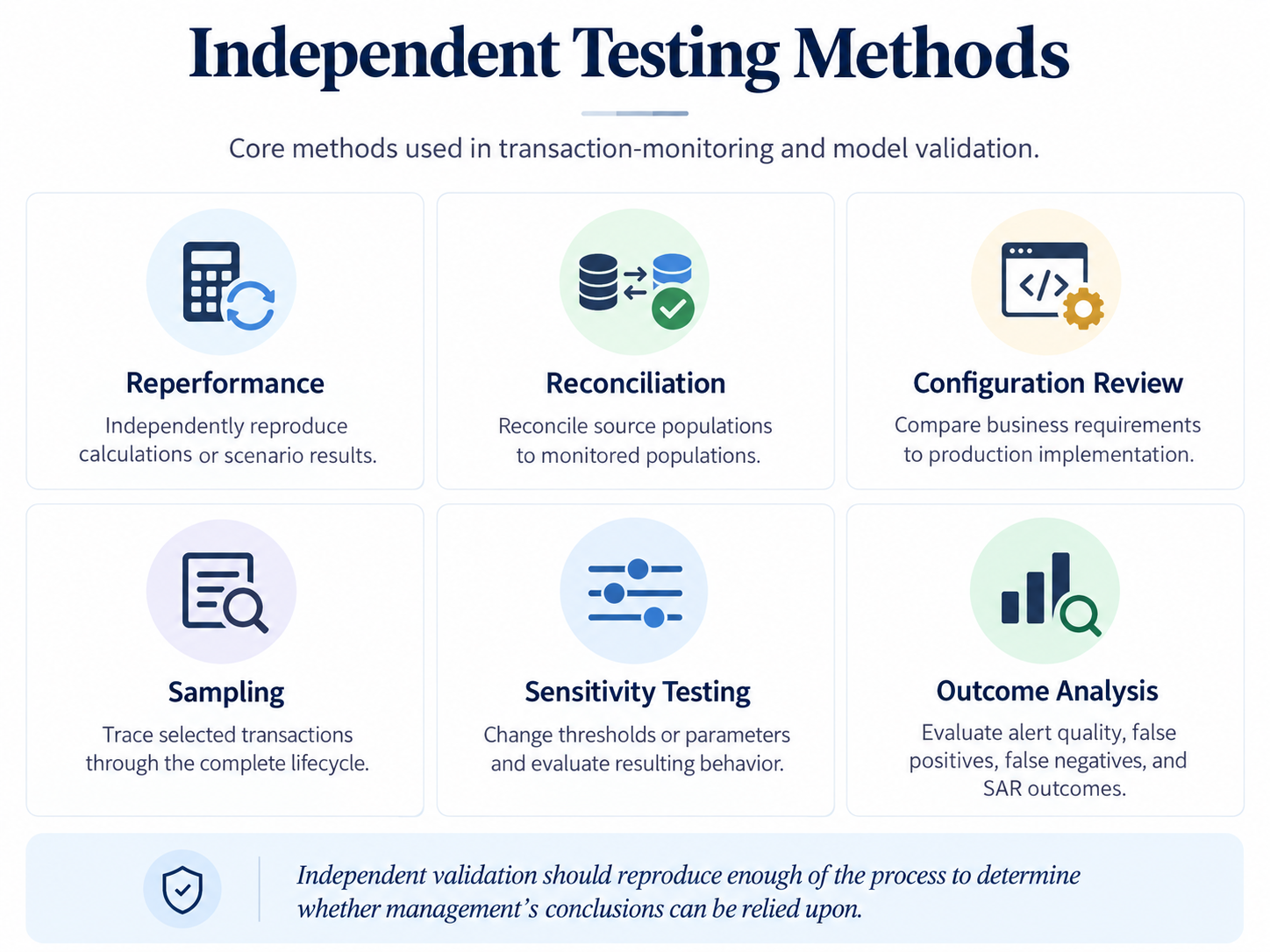
Independent validation should reproduce enough of the process to determine whether management’s conclusions can be relied upon.
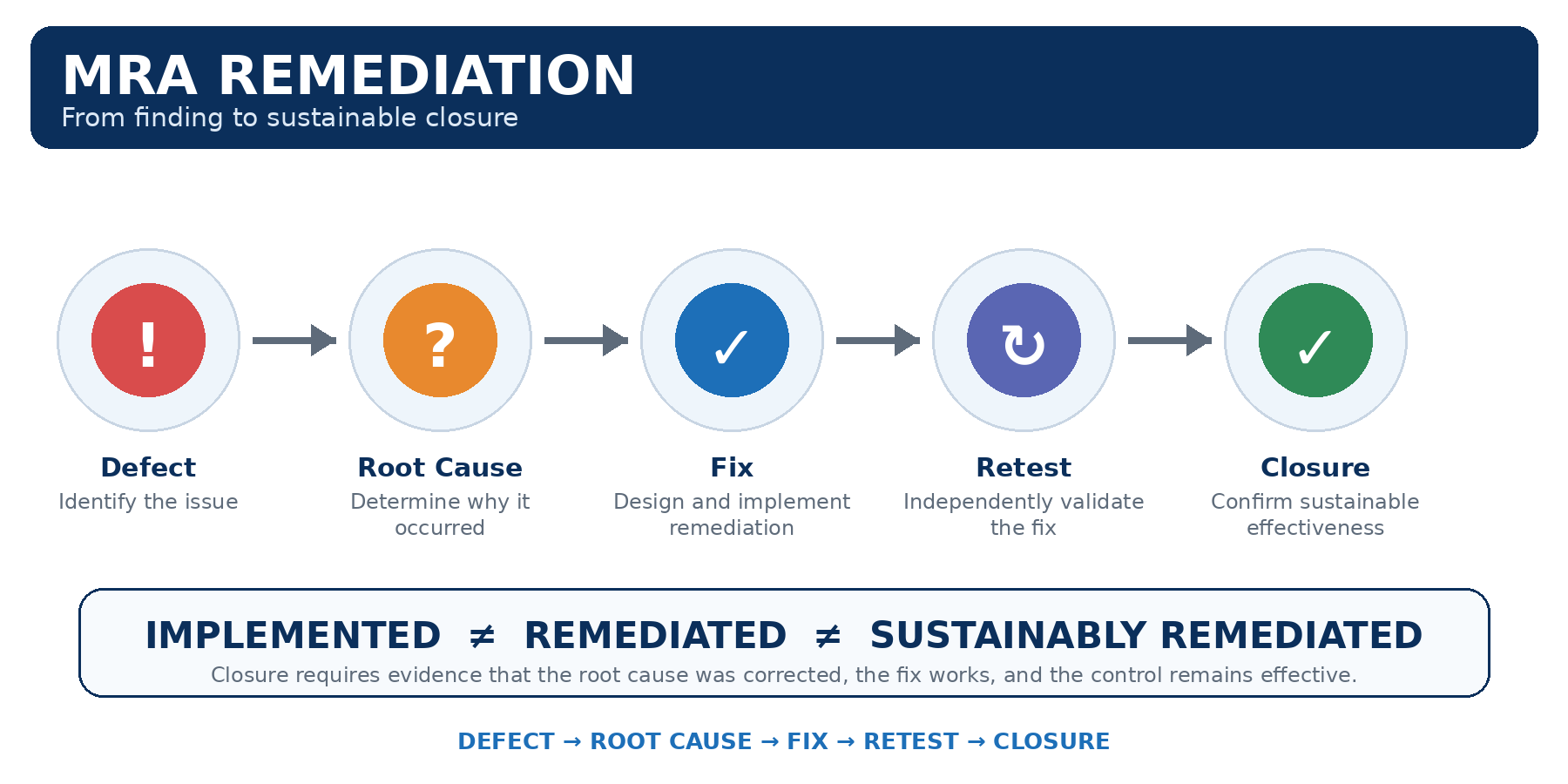
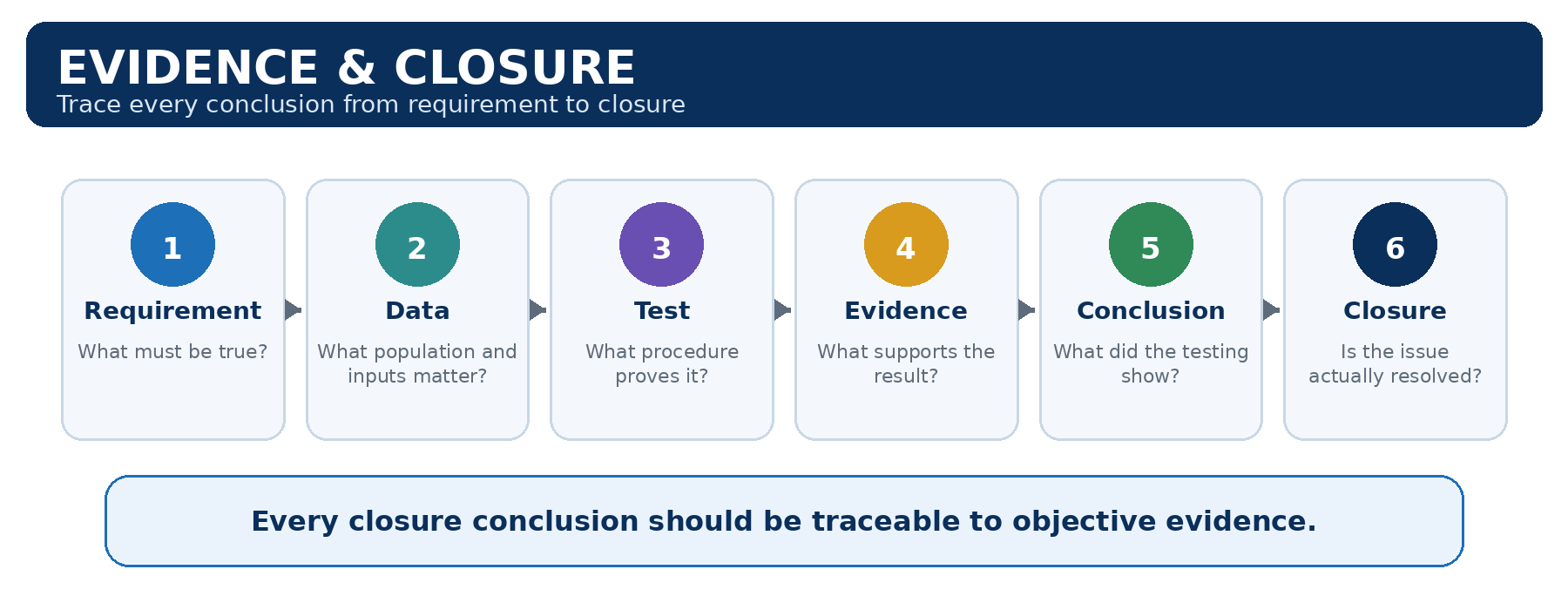
I translate the regulatory finding into explicit closure criteria, identify the relevant systems, models, scenarios, controls, and populations, independently test design and operating effectiveness, trace exceptions to root cause, and determine whether remediation is complete, sustainable, and supported by defensible evidence.